First Cohort Launch
Started with twelve students and a rough curriculum focused heavily on theory. Graduation rate was disappointing because we taught concepts instead of practical skills.
Five years of iteration shaped the curriculum you see today
Started with twelve students and a rough curriculum focused heavily on theory. Graduation rate was disappointing because we taught concepts instead of practical skills.
Rebuilt the entire program around four major projects after student feedback. Completion rates jumped when people could see tangible progress through working systems.
Real-world AI failures taught us that technical skills alone were insufficient. Added comprehensive coverage of bias, fairness, and responsible deployment practices.
Connected with sixty-four companies who now provide guest lectures, project feedback, and occasionally hire our graduates. The industry connection changed everything.
Students complained their models worked in notebooks but failed in production. Tripled the deployment and monitoring content based on that feedback.
Created formal structure for graduate connections, mentorship, and collaboration. The community became as valuable as the curriculum itself.
Make artificial intelligence accessible to professionals who want practical skills without drowning in academic theory. We bridge the gap between university research and industry needs by teaching what actually works in production environments.
A world where AI literacy becomes as common as spreadsheet competence. Technology should empower professionals across all industries, not just computer science graduates. We envision practitioners who understand both capabilities and limitations of intelligent systems.
Every curriculum decision serves one purpose: helping students build competence they can demonstrate to employers. We measure success by graduate outcomes, not enrollment numbers.
Theory matters only when it explains why something works or fails. We teach concepts through building systems, debugging problems, and deploying solutions that handle real data.
AI systems affect lives. We emphasize bias detection, fairness metrics, privacy protection, and transparent communication about model limitations throughout the program.
No hype, no guaranteed outcomes, no marketing nonsense. We tell students exactly what they will learn, how hard it will be, and what career options realistically open up afterward.
Technology changes fast. We update materials quarterly based on industry shifts, student feedback, and emerging best practices. Graduates get lifetime access to new content.
Learning happens through struggle and collaboration. We foster environments where students help each other, share resources, and build relationships that extend beyond graduation.
Three instructors who built AI systems before teaching anyone else how to do it
We hired people who spent years in industry roles before becoming educators. Each instructor deployed machine learning models that served millions of users and learned from failures along the way.
Teaching AI requires more than understanding algorithms. You need the pattern recognition that comes from debugging production systems at three in the morning and explaining technical decisions to executives who do not care about math.
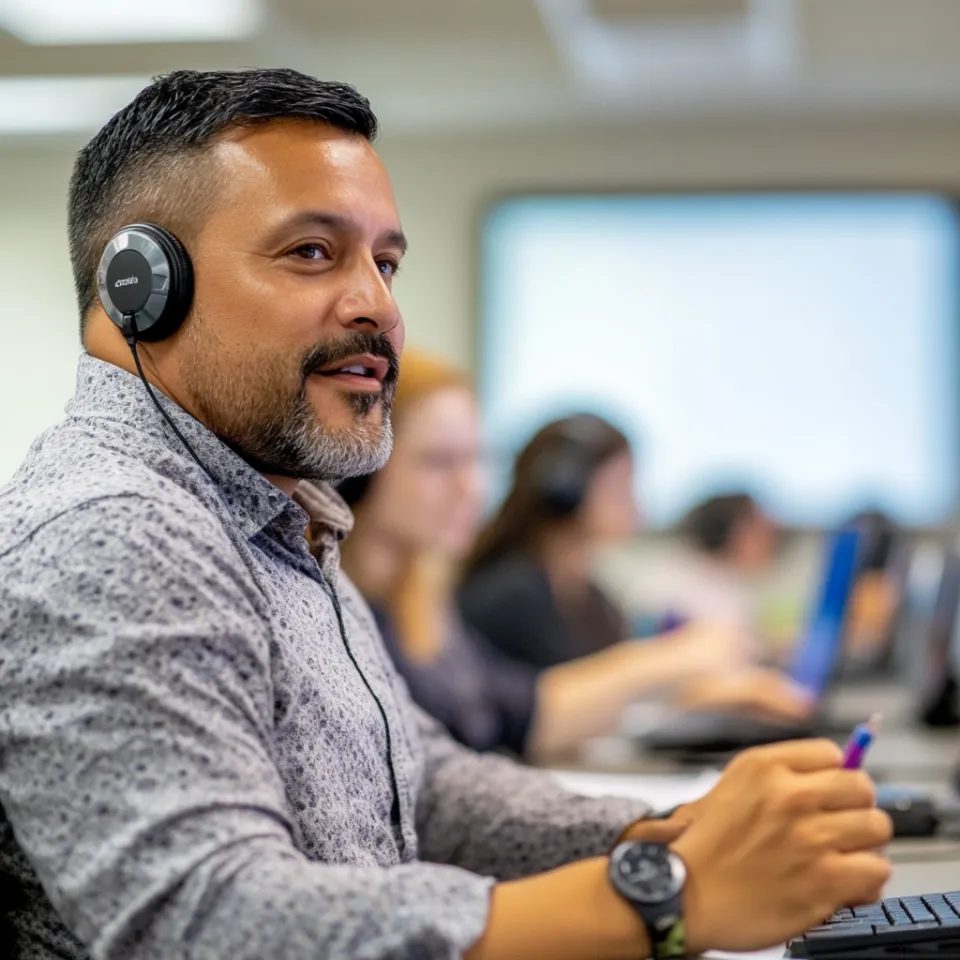
Lead AI Instructor and Founder
Built recommendation systems at a major streaming platform before launching this program in 2021. Spent eight years in industry roles debugging models and explaining AI capabilities to non-technical stakeholders.
David started his career as a software engineer but drifted into machine learning when his team needed someone to improve their search relevance. He discovered he loved teaching while mentoring junior engineers.
"Most AI failures happen because people deploy models without understanding their limitations."

Neural Networks Specialist
Completed her PhD in computer vision then spent five years at an autonomous vehicle company training perception systems. Joined the program in 2023 to share practical insights from high-stakes AI development.
Elena grew frustrated with the gap between academic research and production requirements. She teaches the neural networks module with emphasis on when simpler methods outperform complex architectures.
"Deep learning works brilliantly for some problems and fails spectacularly for others."

Ethics and Deployment Lead
Worked as a data scientist in healthcare and finance before joining in 2024. Witnessed algorithmic bias cause real harm and now teaches students how to audit systems for fairness issues.
Rajesh developed the ethics curriculum after seeing a loan approval model his team built systematically disadvantage certain demographic groups. He now leads our responsible AI initiative.
"Technical competence without ethical awareness creates dangerous systems regardless of accuracy metrics."
Our instructors maintain active consulting practices alongside teaching. They bring current industry problems into the classroom and adjust curriculum based on what companies actually need right now.
Independent organizations evaluated our program and curriculum over the past three years
Recognized for bridging the gap between academic theory and industry requirements. Judges praised the project-based approach and instructor expertise from production environments.
Awarded for comprehensive coverage of algorithmic fairness, bias detection, and responsible deployment practices. Our ethics module became a model other programs now emulate.
Honored for measurable impact on student career progression. Survey data showed significant salary increases and role transitions among graduates compared to baseline expectations.
Recognized for iterative improvement process and responsiveness to industry feedback. Our quarterly updates and lifetime access model set new standards for technical training programs.
Students connect through forums, study groups, project collaborations, and the alumni network. Many graduates say the relationships mattered more than the curriculum itself.

Active discussion forums daily
Weekly live Q&A sessions
Alumni mentorship program available
Project collaboration opportunities
Industry networking events quarterly
Lifetime learning resource access